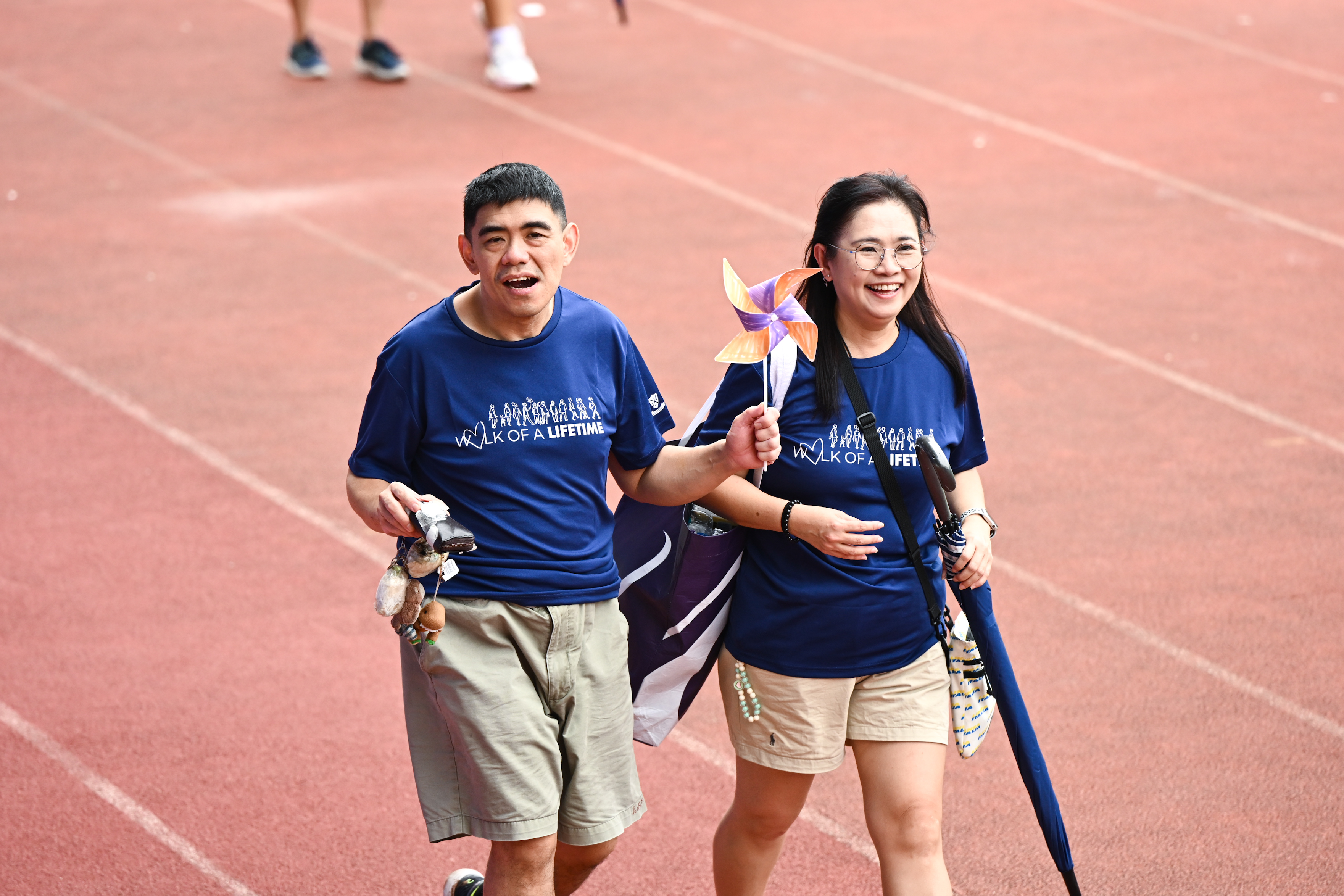
Welcome to Autism 101! This page is designed to provide a basic understanding of Autism Spectrum Disorder (ASD), a complex neurodevelopmental condition that affects how a person communicates, interacts, learns, and behaves. Our aim is to foster greater awareness, acceptance, and inclusion for individuals on the autism spectrum.
What is Autism Spectrum Disorder (ASD)?
Autism Spectrum Disorder (ASD) is a lifelong developmental condition that affects how individuals perceive the world and interact with others. It's called a "spectrum" because it affects people in different ways and to varying degrees. No two people with autism are exactly alike.
ASD is a neurological condition, meaning it's related to how the brain is structured and functions. It is not a mental illness, nor is it caused by poor parenting or vaccinations.
A 2016 study estimated that roughly one in 150 children in Singapore is on the autism spectrum. As highlighted in Singapore’s Enabling Masterplan 2030, the number of autism diagnoses in children continues to rise, with over 1 in 100 children diagnosed with autism as of 2024. This rise is largely attributed to improved awareness on the prevalence of developmental issues and a greater openness to early detection screening.
St. Andrew’s Autism Centre is one of the providers of autism care in Singapore. Established in 2005, our focus lies in supporting the needs of those aged 7 and above who have moderate to severe autism through our services: St. Andrew’s Autism School, Day Activity Centres and the St. Andrew’s Adult Home.
Key Characteristics of ASD
While the presentation of ASD varies widely from person to person, there are common characteristics often observed across two main areas:
- Persistent Difficulties in Social Communication and Social Interaction:
- Social-Emotional Reciprocity: Challenges with back-and-forth conversation, sharing interests, emotions, or affect. This can range from difficulties initiating or responding to social interactions to a lack of shared attention.
- Nonverbal Communicative Behaviors: Difficulties with understanding and using nonverbal cues like eye contact, facial expressions, body language, and gestures. Some individuals may have limited or unusual use of these cues.
- Developing, Maintaining, and Understanding Relationships: Challenges with forming friendships, understanding social cues in relationships, or adjusting behavior to suit different social contexts. This can include difficulties with imaginative play or making friends.
- Restricted, Repetitive Patterns of Behavior, Interests, or Activities:
- Stereotyped or Repetitive Motor Movements, Use of Objects, or Speech: This can include repetitive hand flapping, rocking, spinning, lining up toys, echoing words (echolalia), or idiosyncratic phrases.
- Insistence on Sameness, Inflexible Adherence to Routines, or Ritualized Patterns of Verbal or Nonverbal Behavior: Strong resistance to change, difficulties with transitions, rigid thinking patterns, or needing to follow specific routines precisely.
- Highly Restricted, Fixated Interests that are Abnormal in Intensity or Focus: Intense preoccupation with specific topics (e.g., trains, dinosaurs, particular characters), or unusual interests that are excessively narrow.
- Hyper- or Hyporeactivity to Sensory Input or Unusual Interests in Sensory Aspects of the Environment: Unusual responses to sensory experiences, such as indifference to pain/temperature, adverse response to specific sounds or textures, excessive smelling or touching of objects, or fascination with lights or movement.
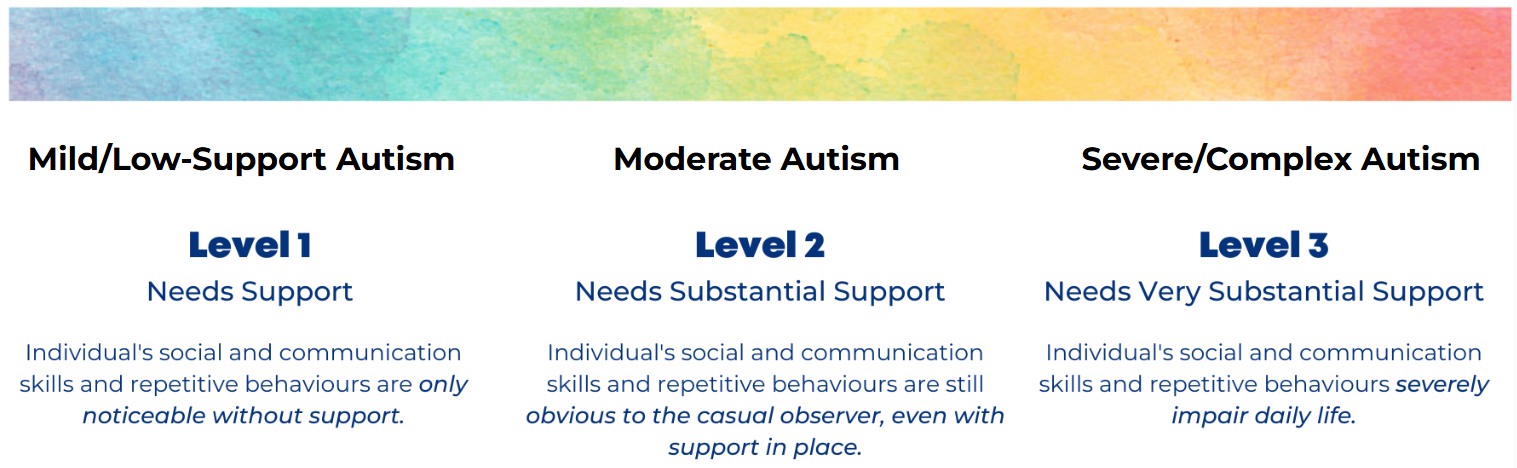
Understanding "The Spectrum"
- Individuals vary widely in the number and severity of their characteristics. Some individuals may have mild challenges, while others face significant obstacles that require substantial support.
- Co-occurring conditions are common. Individuals with autism may also experience other conditions such as anxiety, depression, ADHD, intellectual disability, epilepsy, or gastrointestinal issues.
- Strengths and talents are diverse. Many individuals with autism possess unique strengths, such as exceptional memory, attention to detail, strong logical thinking, deep focus on specific interests, or unique artistic and musical abilities.
Causes of Autism
The exact causes of autism are still being researched, but it is understood to be a complex interplay of genetic and environmental factors. There is strong scientific consensus that autism is NOT caused by vaccines.
Diagnosis and Support
Autism can be diagnosed as early as 18 months, though it's often identified later. Early intervention is key to supporting development.
A diagnosis of ASD is typically made by a multidisciplinary team of professionals (e.g., developmental pediatricians, psychologists, speech therapists, occupational therapists) through comprehensive assessments.
While there is no "cure" for autism, various therapies and interventions can significantly improve an individual's quality of life and help them develop essential skills. These may include:
- Applied Behavior Analysis (ABA)
- Speech and Language Therapy
- Occupational Therapy
- Social Skills Training
- Educational Support (e.g., special education programs)
- Sensory Integration Therapy
- Parent Training and Support
Creating an Inclusive World
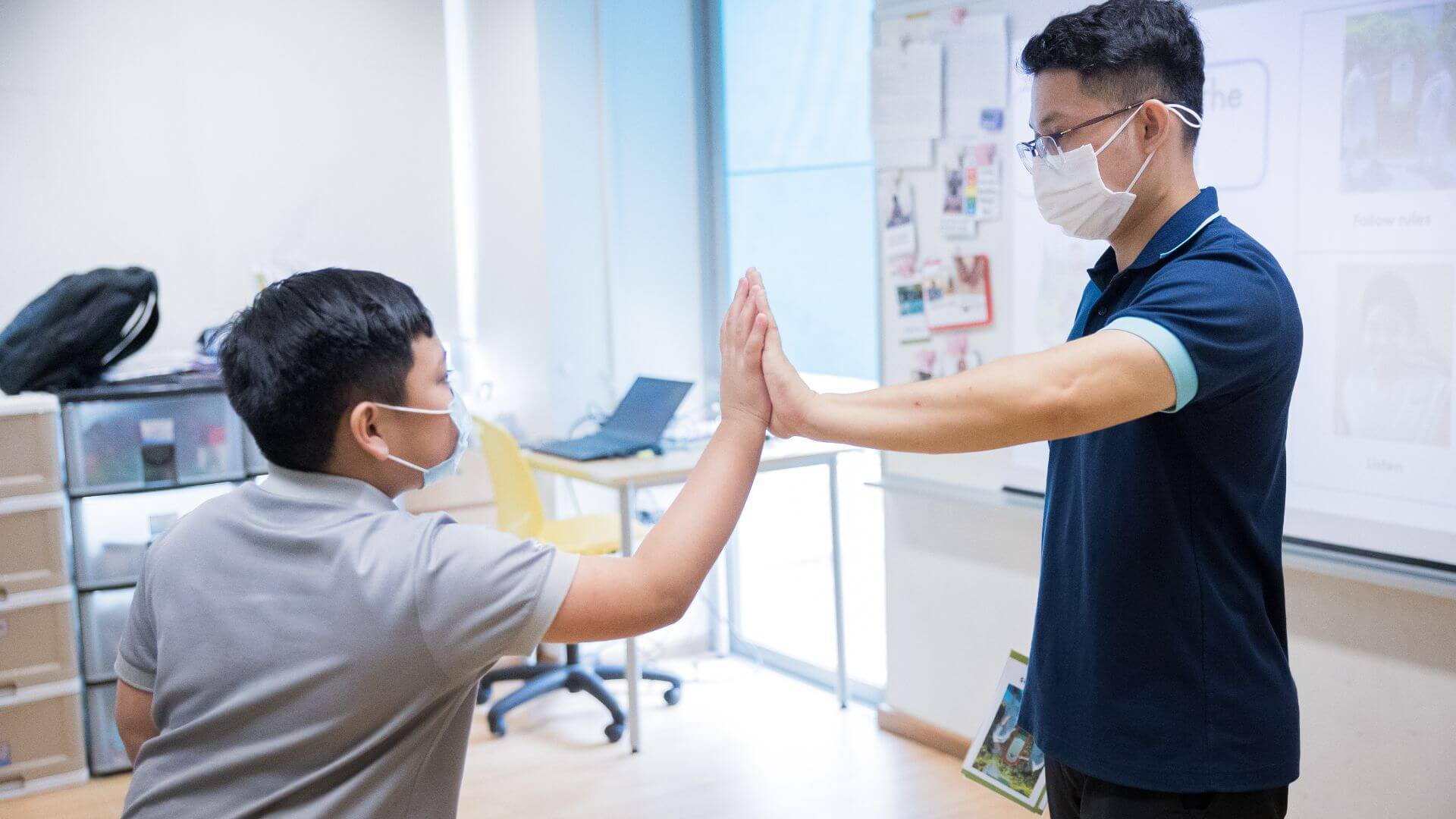
Understanding autism is the first step towards building a more inclusive and supportive society. Individuals with autism have unique perspectives and valuable contributions to make. By embracing neurodiversity and providing appropriate support, we can help all individuals thrive.
Remember: Everyone on the spectrum is an individual. Getting to know a person with autism means getting to know them, not just their diagnosis.